How to make your vintage clothes last forever
You probably recognize the “oh shit” moment when seeing your sweater come out of the washing machine the perfect size for a doll. Or your white top coming out a light shade of pink after washing. This happens to the best of us, but a lot of people still don’t know how to prevent this from happening, and a lot of clothes still get destroyed by their biggest frenemy: the washing machine. We at FIGO have some tips to help you save your own (vintage) closet, instead of creating one for your dog.
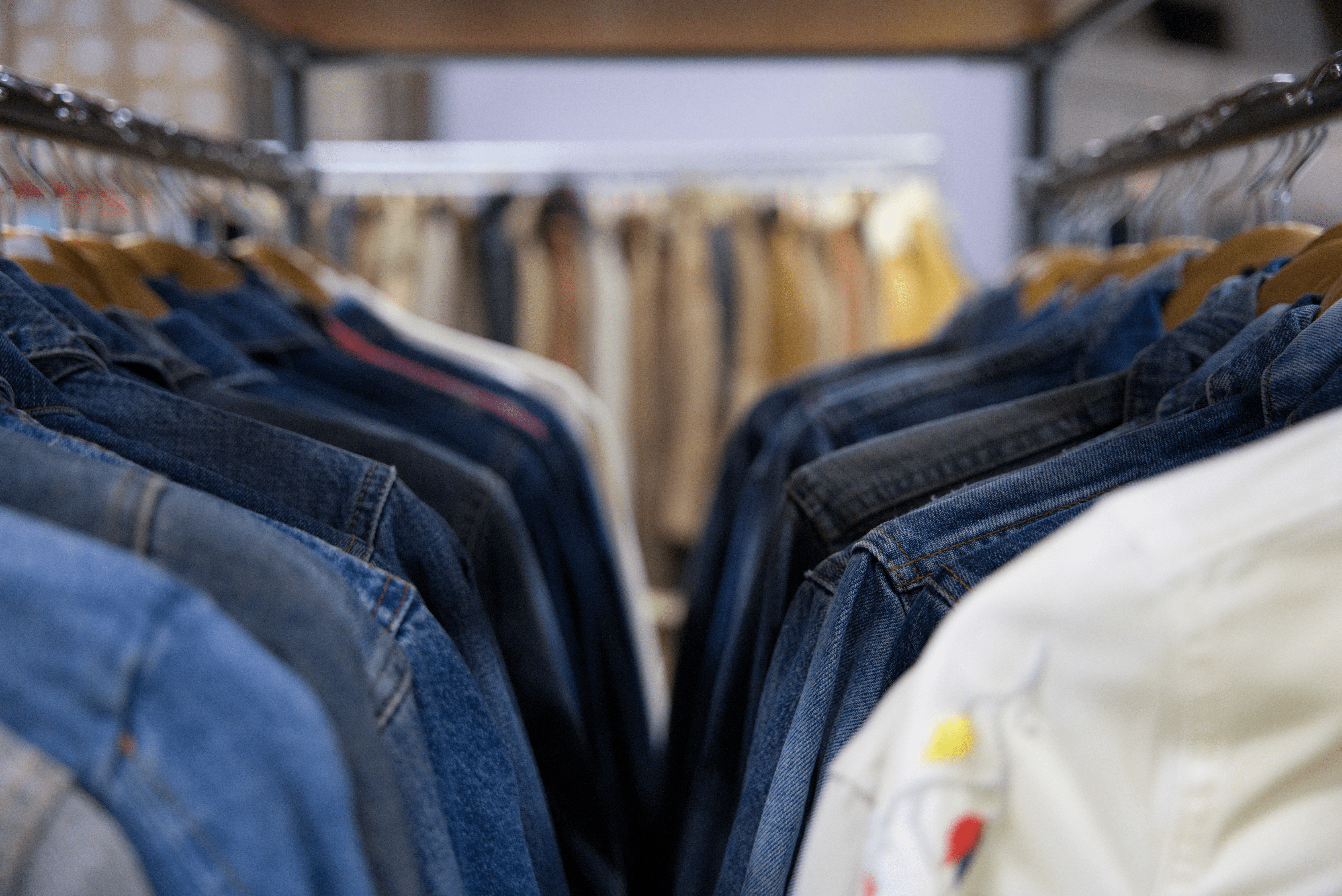
A bit of backstory
Back in the days washing machines weren’t normal household objects, and clothes were made from pure materials (without many synthetic fabrics) which aren’t resistant to machine wash. Hence why a lot of the readable labels on vintage clothes only mention handwash and the materials. And even though we always recommend our customers in Amsterdam-Noord to follow the label guide, the materials give away a lot about the washing options. And to the people who would rather ignore all of this, we only have one thing to say: don’t you dare wash any clothing warmer then 30 degrees Celsius!
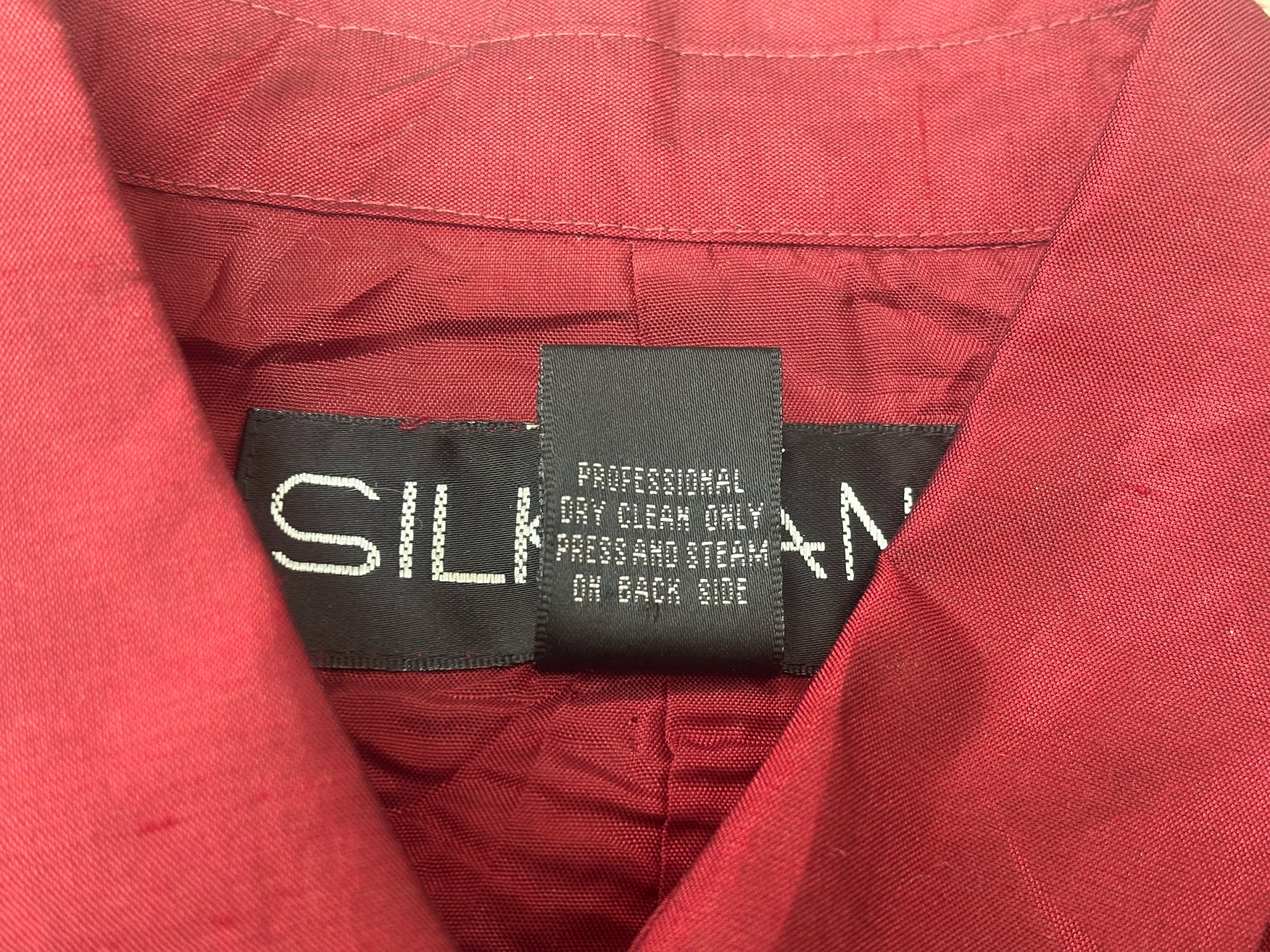
Our washing tips for (FIGO) clothing
1 Check the label
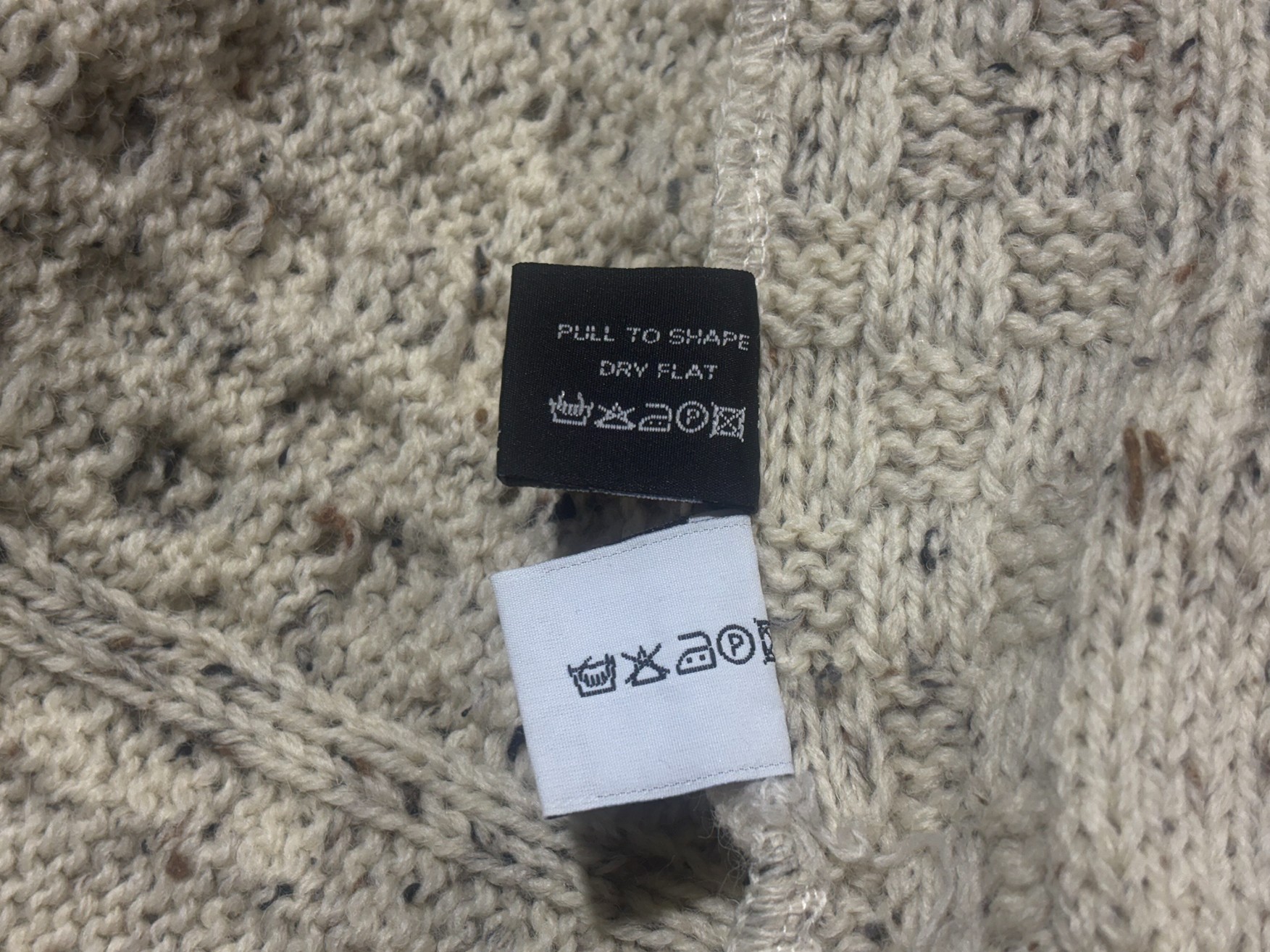
Just like we said before, labels often have a washing guide and the materials written on them. We understand a lot of people ignore the washing terms used on these labels as they can be super confusing, we will make it easy for you.
Wash separately: wash the item separately… So, alone. Valuable pieces are worth this extra effort!
Do not tumble dry: Do not use a dryer! A dryer thins out the fabrics of your favorite garments, makes them lose their shape, fades out their colors very fast and can even shrink the items because of the heat!
Dry clean only: When a label says dry clean only, the best thing to do is actually bring the item to the dry cleaner! These are often pieces of clothing that do not have to be washed very often and will look like new when they come back from the dry cleaner.
Cold wash only: put the washing machine on cold, hot water can cause shrinking, loss of color, fading and thinning of the fabric.
Low spin cycle: the spin cycle at the end of your washing machine has gotten higher over the years to remove as much water from the clothes as possible to reduce drying time. Your washing machine is set to pick the highest (1200 RPM) spins on most of the programs. Most people do not know that you can put the RPM down manually and only very few fabrics can handle the fastest spin cycle. Take them out of the washer and dry them on a rack (or flat if the item is made of wool, this way you don’t stretch out the fabric) the vintage way! A lower spin cycle will minimize wrinkles, prevent your washing machine eating holes into the clothing, and clothes losing their shape.
Hand wash only: yes, you have to go back to basics! Hand wash means by hand (not the delicate wash on your washing machine!) Silk and delicates will thank you for it! A silk blouse can lose its shine by just one wash in the washing machine! Hand wash by making the item a little cold bath, put a very small amount of washing detergent on and mix, scrunch, turn until you think the water has gone through and cleaned the item. Make sure to rinse out properly until there aren’t any bubbles left! Leaving detergent in can leave stains/marks, causes the product to lose its shine, and for some people it may induce skin irritations.
Little guide for the materials that need some extra love.
Wool will shrink when washed too warm. And washed too warm means ANY extra degrees. Depending on your washing machine, cold wash will generally still have some heat. So, hand wash with COLD WATER is recommended!
Silk can NOT be washed, cold handwash or steam only!
Jeans are made from thick cotton and do not need to be washed very often, only wash them when they are smelly or have stains. This will also retain the color of your favorite jeans for way longer!
2 Divide your clothing
You probably don’t want your white shirt to turn pink or your gray sweater blue. To make sure this doesn’t happen you have to separate the items by color:
White: only fully white pieces, if you own an item which has mixed white with another color, handwash is the best option. Rinse out until no more color comes out of the garment and the white is still completely white. Try to wring as much water out as possible to avoid colorbleeding when hanging to dry.
Color: this is a tricky one as reds and blues can often stain, therefore separating all the colors is the best option. And if you really don’t want to do this, make sure you wash reds and blues with only similar colors the first time. And color catchers! Use color catcher sheet, they are your best friend when laundering colors!
Dark: only black, jeans and dark blues. Dark blues and jeans can stain for a pretty long time, but not on black! Preferably no heat, dark colors fade the fastest!
3 Don’t overfill your machine!
This counts for clothing, as well as washing detergent and softener. Generally, you want your machine to be filled up so there is still space for the clothing to move around. And we can hear you thinking: “But then I have to wash even more.”, right? Wrong! If you overload your machine, the clothing gets smushed together so much that soap won’t even reach half of it. To get your laundry properly cleaned you would have to wash it a second time. Besides, the amount of friction can damage your clothing and it uses way more energy than needed.
People often believe that the more soap you use, the cleaner everything gets, but this is absolutely not the case. If you use too much, you will be left with soap residues on your clothes and in the machine, which will make your machine lose efficiency, your clothes more in need of a washing, and possibly even give you skin irritation. Luckily even washing products come with a guide, so check out those labels as well!
4 Screw them dryers
We cannot stress this enough: Dryers. Are. Bad. For. Your. Clothing! And yes, we do understand that they are very handy and save you a lot of time, but they don’t save you money. The heat and friction can cause the fabric fibers to shrink, damage and wear out. This is why you have to remove an entire t-shirt worth of fabric lint after every drying session, and why you have to buy a new t-shirt very often. And of course, it depends on the fabric and dryer settings how bad your attire will be affected, but there is one way it won’t be affected whatsoever: dry rack! “But then I have to take time to hang all of my clothing.” Yes, and your clothes (and wallet) will thank you for the long and amazing life they were given.
To summarize
Check the label for the washing guide and materials
Divide by color: whites by whites - colors by colors - blacks with blacks, dark blues, and jeans!
Don’t fill up your washing machine to the absolute maximum
Hang your clothes to dry, or dry flat.
These steps are especially important when washing vintage clothing. Vintage clothes lasted for at least 25 years and need to be washed respecting the vintage instructions (no machines or less powerful machines). With your love we might add another 25 years to the lifespan of these pieces, and they might just turn into antiques one day!
When you come by to shop in our store and have doubts or questions about washing a certain garment, don’t be afraid to ask us for help!
But for the love of FIGO, don’t wash any garments over 30 degrees Celsius!